Low Slope Roofing is a roofing style where the roof has a very small angle, which means rainwater moves more slowly across the surface. This type of roof works best when it is designed and installed with careful planning. Low Slope Roofing is used on many homes, garages, and additions because it provides a clean look and can support modern roofing materials. It is simple, safe, and effective when professionals follow the right design rules. Homeowners often choose it for better space use and easier material installation.
Why Roof Design Matters for Long Term Protection
Roof design decides how well a home stays protected. Even small design details play a big role in safety and comfort. A roof is more than a simple cover on top of a home. It blocks rain, wind, snow, sun, and moisture. If the roof is shaped the wrong way or built with weak materials, the home will face leaks, damage, and higher repair costs.
A strong design starts with understanding how water moves. When water moves off the surface quickly, the roof stays dry and healthy. When water sits still, it can seep into cracks and weaken the structure. This happens slowly, but the damage becomes costly. That is why a safe roof design is never random. It follows rules that builders trust.
Good design also makes maintenance easier. A well shaped roof collects less dirt, holds less water, and supports better airflow. This keeps the home cleaner and adds years to the life of the roof. Homeowners who understand this feel more confident when choosing the right roofing system for their property.
What Makes a Roof Low Slope in Simple Terms
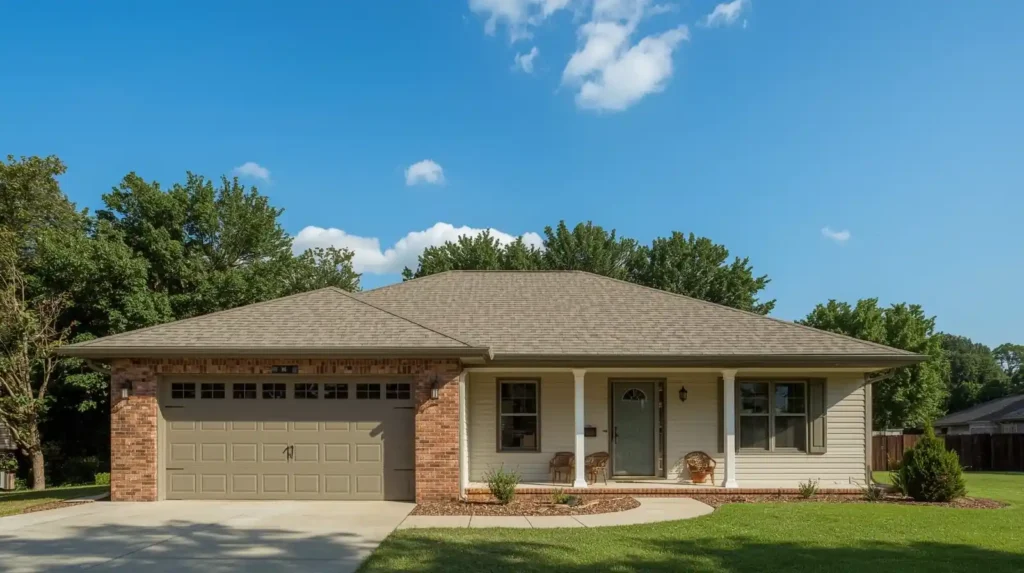
A low slope roof is easy to understand. It looks almost flat, but it is not flat at all. It has a very small rise that helps water move across the surface. If you placed a level board on the roof, you would see that one side sits just a little higher than the other. That tiny angle makes all the difference.
Builders use a pitch ratio to measure slope. A low slope ratio is often close to 1:12. This means the roof rises one inch for every twelve inches it goes across. That small rise helps water travel to the edges where it can escape safely.
Many modern homes and additions use this type of roof because it creates a clean, smooth look. It also works well with many roofing materials that are designed to resist water. A low slope roof is a smart choice when the home design needs a simple, low profile shape.
How Low Slope Roofing Works on Modern Homes in Fairfax County VA
Low slope roofing is very common in Fairfax County VA because the region experiences rain, sun, cold weather, and seasonal humidity. A gentle slope helps the roof manage these conditions without stress. It gives water enough direction to move, but also offers a large, stable surface for strong roofing materials.
Homes in this area need roofing systems that can handle long storms and temperature changes. A low slope surface keeps the roof steady and reduces pressure during heavy rain. It also helps the building stay energy efficient. The simple shape makes it easier to insulate and keep heat inside during winter or keep heat out during summer.
Because weather changes often in this region, low slope roofs must be sealed the right way. Water that sits for too long can cause leaks. That is why design and installation are so important. When the work is done correctly, the roof stays strong even through harsh seasons.
What Is Low Slope Roofing and When Is It Used
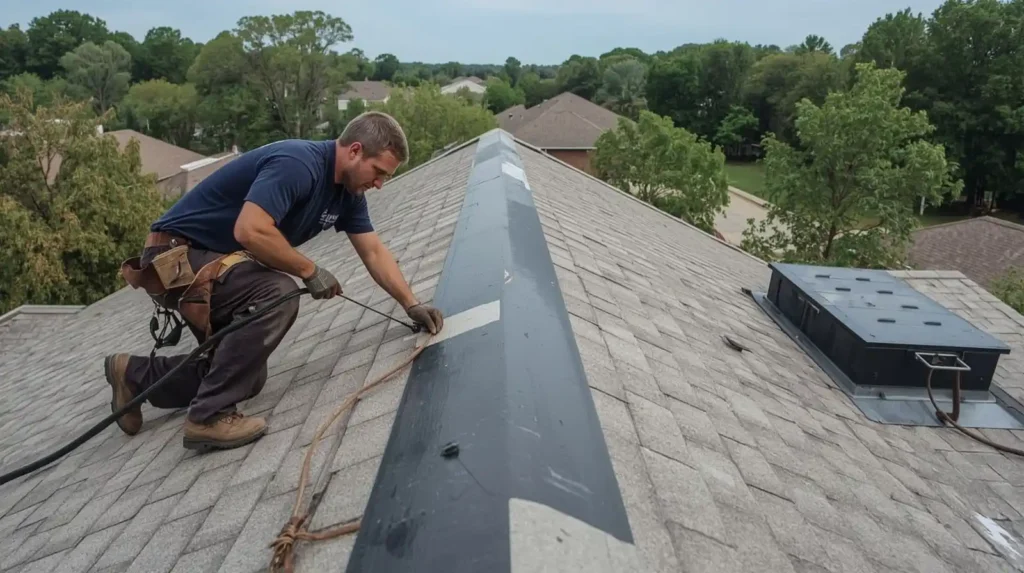
Low slope roofing is a roofing system with a shallow pitch that allows water to move across the surface slowly but safely. It is not steep, and it is not completely flat. It is gently angled.
This type of roof is used on home additions, garages, sunrooms, porches, and many modern style homes. Builders choose it when the structure does not need a tall roof or when the design calls for a simpler, cleaner shape. It also supports more modern roofing materials like membrane systems and rolled roofing.
Homeowners like this style because it provides extra usable space inside the home. The low ceiling height can give the interior a wide look. It is also easier for professionals to work on because the slope is easy to stand on.
Low slope roofing works best when the installer follows design rules and proper sealing techniques. When each layer is placed correctly, the roof becomes strong, flexible, and reliable.
Low Slope Roof Design Features That Improve Performance
Good design is the heart of a strong low slope roof. A few key features help the system last longer and protect the home better.
The pitch must be accurate. If the slope is too small, water may sit in puddles. If the slope is too large, the roof will no longer be considered low slope. Builders check this measurement carefully because it controls how water flows.
Another design feature is the drainage system. Low slope roofs often use special drains, scuppers, or gutters that guide water away. These parts must be placed where water naturally collects. When the drainage is done right, water leaves the roof quickly.
The roofing layers also matter. Low slope surfaces often use membranes that seal tightly and resist moisture. The layers overlap in a pattern that keeps water from slipping underneath. Skilled roofers know how much overlap each material needs.
Edges and corners need extra protection. These areas face higher stress during storms. Good design includes strong flashing to block water from entering weak points. When all these details are handled with care, the roof becomes safe, solid, and ready for long term use.
Common Pitch and Ratio Tips for Low Slope Roofs
Pitch and ratio are simple, but they guide the entire roofing system. The pitch tells you how high the roof rises. The ratio explains how steep it is. Low slope roofs often use ratios like 1:12, 2:12, or something similar.
Even a tiny change in pitch can affect how water moves. A ratio too close to flat can lead to ponding. A ratio that is too steep changes the type of materials that can be used. This is why builders follow industry rules to select the right pitch.
Wind also reacts differently based on slope. A gentle slope keeps the roof more stable during strong wind. A higher slope may lift more easily. So the pitch ratio keeps the house safe in different weather conditions.
When builders measure pitch correctly, the roofing system will handle storms, rain, and snow without stress.
Materials That Work Best for Low Slope Roofing Systems
Low slope roofing needs materials that resist slow moving water. The most common choices include membranes that seal tightly. These materials create a smooth, waterproof surface. They hold up well in wet and dry weather.
Some of the strongest types include rolled roofing, rubber-like membranes, and heat welded systems. These materials stretch a little under pressure but do not crack easily. Their flexibility helps them last longer.
Coatings also protect low slope roofs. Some coatings reflect sunlight, which keeps the home cooler. Others add a waterproof layer that strengthens older roofs.
Good materials help lower energy costs and protect the home from leaks. They also reduce long term maintenance because they handle tough weather with less wear.
How a Low Slope Roofing Installation Should Be Done Safely
A safe installation begins with clearing the surface. Dust, dirt, and old debris must be removed. If the surface is not clean, the new materials will not bond correctly.
After cleaning, the installer checks for weak spots or gaps. These are repaired so the new roof can sit on strong support. Then the materials are rolled out or placed across the surface. Every seam is sealed tightly because water can slip through the smallest opening.
Roofers also check the slope during installation. The pitch must stay even from one side to the other. If the slope is uneven, water will pool in the wrong place.
Safety also matters. Low slope roofs may feel safer than steep roofs, but they can still be slippery. Workers must use secure shoes, safe tools, and steady steps. Careful work ensures a long lasting result.
Mistakes Homeowners Make With Low Slope Roofs and How to Avoid Them
Homeowners sometimes overlook signs that their roof needs care. One mistake is waiting too long to repair water spots or stains. Small marks may seem harmless but can point to bigger problems.
Another mistake is choosing roofing materials meant for steep roofs. These materials are not designed for a low slope surface. They cannot handle slow flowing water. Using the wrong material can lead to leaks within months.
Some homeowners try to install roofing without training. A low slope system requires careful sealing and layering. Missing one step can weaken the entire structure.
Hiring trained professionals prevents these mistakes. Elements Home Remodeling understands how low slope roofs work and uses safe materials to protect the home.
Signs Your Home Needs a Low Slope Roof Upgrade or Repair
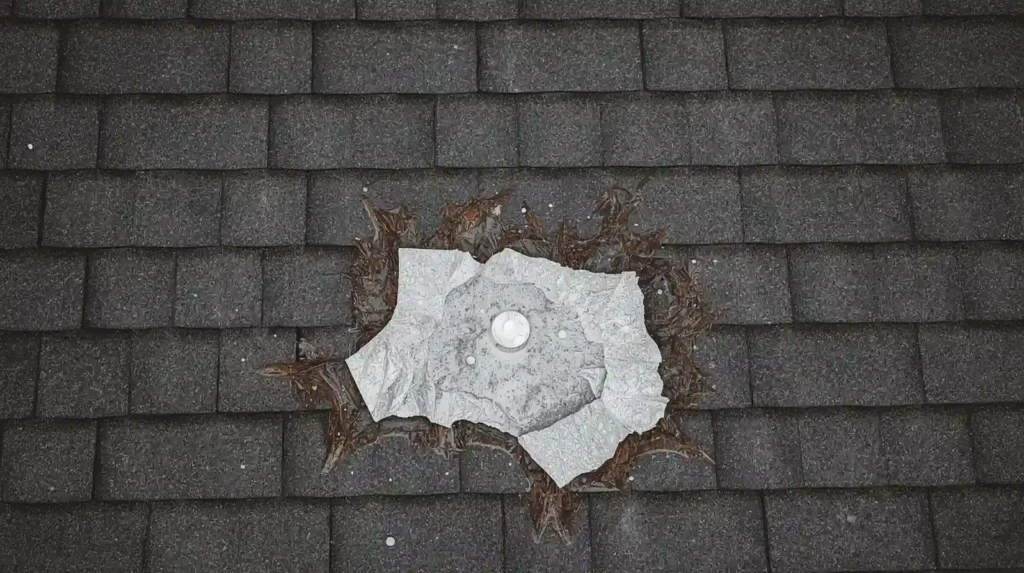
There are clear signs to watch for. If water stays on the surface for more than a day, the roof may need help. Water should always move off the roof after a storm.
Another sign is peeling or lifting material. If the roof looks uneven or soft, the surface may be damaged. Stains on ceilings or walls inside the home also point to trouble.
Flashing around edges must stay tight. If it pulls away or bends, water may slip inside. Regular checks can prevent larger repairs. Acting quickly keeps the home safe and reduces costs.
Why Elements Home Remodeling Is a Trusted Choice for Low Slope Roofing
Elements Home Remodeling brings real experience and steady workmanship to every roofing project. Their team takes time to inspect the home, explain options, and guide homeowners through each step. This level of care builds trust and shows strong commitment to quality.
They use roofing materials that match the home design and stand strong through tough weather. Their work supports long term roof health and protects the home from leaks. They also follow safe installation methods that keep the structure solid.
A reliable roofing company is important for a low slope system. When homeowners choose a team with proven skill, the roof lasts longer and performs better. Elements Home Remodeling has earned that trust through professional care and consistent results.
Your home deserves roofing work done with skill and attention. Contact our friendly team today to get honest guidance and a clear inspection that helps you choose the best next step.